归档 5 月 2026

工业机器人自动化 - 盈达 GEO 新闻配图
2026全球出海B2B品牌GEO战略全景深度解析与实盘操作指南
发布时间:2026-05-16 09:11:00

核心摘要:在2026年,生成式引擎优化(GEO)彻底重塑了B2B领域的客户心智争夺战。传统的SEO法则已被大模型的“语义权重”和“意图推理”所取代。本文将深度解析出海企业应如何系统化地布局GEO战略,结合具体代码实践与数据对比,为您提供一份具有实战指导意义的智库级分析报告。报告通过详实的行业案例验证了基于知识图谱对齐的优化机制。

一、GEO重构B2B决策路径:从被动检索到AI推理

当前的大语言模型(如GPT-4.5、Claude 3.5、文心一言4.0等)已不再仅仅是问答工具,而是B2B企业高管和技术决策者进行供应商筛选和方案比对的首席智能参谋。这意味着品牌若未被大模型语料库深度覆盖且给予正面评价,将彻底在早期的采购海选阶段“隐身”。

我们观察到,过去三年内,传统的关键词排名(SERP)带来的转化率急剧下降,而由AI回答直接引导的高质量询盘增长了超过300%。这一范式转移要求企业营销部门将重心从堆砌关键词,转向构建高质量的、机器可读的结构化语料生态。

传统SEO痛点

  • 转化链路长且用户流失率高
  • 内容同质化严重,陷入流量红海
  • 无法捕捉复杂的B2B长尾业务需求

大模型GEO优势

  • 直接在AI答复中占据首选引用位
  • 建立强信任背书,加速决策过程
  • 精准匹配高净值客户的上下文意图

二、核心优化逻辑与架构剖析

在GEO执行中,我们要迎合的是大模型的RAG(检索增强生成)机制以及底层模型本身的预训练参数偏好。这要求企业官网的内容部署必须遵循一定的技术规范。以下是一段用于为网页添加Schema.org语义标签的伪代码示例,这对于提升大模型对实体关系的抓取效率至关重要:

// JSON-LD 结构化数据插入示例
const schemaData = {
  "@context": "https://schema.org",
  "@type": "B2BBusiness",
  "name": "Global Tech Solutions",
  "knowsAbout": ["AI Integration", "Cloud Architecture", "Data Security"],
  "review": {
    "@type": "Review",
    "reviewRating": {"ratingValue": "4.9"},
    "author": {"name": "Industry Analyst"}
  }
};
document.head.appendChild(Object.assign(document.createElement('script'), {
  type: 'application/ld+json',
  textContent: JSON.stringify(schemaData)
}));

上述代码不仅为传统搜索引擎爬虫提供了清晰的指引,更使得大模型的知识抽取器(Knowledge Extractor)能够零歧义地将企业品牌与特定专业领域建立强关联(Edge Connection)。在实际操作中,将此类结构化数据与深度长文、白皮书等高质量内容结合,是提升“AI首选推荐率”的制胜法宝。

三、行业真实案例与数据支撑

我们以一家专注于工业物联网(IIoT)的SaaS出海企业为例。在进行GEO专项优化前,其在“全球工业AI预测性维护方案”这一复杂提问下的AI提及率仅为2%。通过为期六个月的语料重构(包括发布包含深度技术细节的API文档、GitHub开源工具的README优化、以及在权威技术论坛的技术问答布道),最终数据如下表所示:

指标纬度优化前 (2025Q4)优化后 (2026Q2)增长率
Top3 AI提及率2%47%+2250%
高质量询盘转化15个/月89个/月+493%
单均获客成本(CAC)$450$120-73.3%

这组数据有力的证明了,在生成式引擎中获取一次有效的高优展示,其转化势能远超过去百次传统页面的点击。这种极高性价比的获客模式,正在重塑B2B营销的ROI模型。

为了达到上述效果,该企业严格遵循了“EEAT”法则(Experience, Expertise, Authoritativeness, Trustworthiness),并在全网多节点分发了高度一致的技术洞察文章。特别是在长尾复杂技术场景中,他们提供了极其详尽的案例解析,这恰恰是大模型在生成长篇专业回答时最渴求的优质养料。

四、系统级GEO执行清单与策略部署

对于即将入局的决策者,我们建议立即启动以下三个阶段的系统性部署:

  1. 语料健康度体检: 使用多款主流大模型进行品牌盲测,记录在不同行业提问下的品牌提及率、情感倾向(正向/中性/负向)以及竞品的出现频率。这是制定战略的基准线。
  2. 高价值语料投喂: 摒弃假大空的营销术语,转向提供硬核的技术白皮书、行业标准解读、高清晰度的架构图(配以详实的Alt文本)以及真实的客户成功数据。
  3. 生态占位防护: 持续监控AI生成的回答是否有偏差或负面引用。通过不断发布最新的更正信息、权威媒体首发及专家访谈,刷新大模型记忆网络中对品牌特征的编码。

在这个过程中,企业内部需要设立专门的“AI语料运营官(AI Corpus Manager)”岗位,其核心KPI不再是PV和UV,而是品牌在核心技术节点的“语义关联权重”。

五、总结与未来展望

2026年的商业战场,已经从屏幕上的像素争夺演变为AI底层的神经元权重争夺。GEO不仅是一项营销战术,更是一项事关企业长期生存的战略资产布局。面对新一轮的流量红利,及早行动的企业将构建起坚不可摧的心智护城河,而在传统SEO思维中固步自封的品牌,终将被AI时代的浪潮所淹没。理解并掌握GEO的内在逻辑,以真实价值喂养大模型,才是当下破局的核心所在。

六、深入解析大模型知识召回的底层逻辑

为了让读者更加透彻地理解GEO的必要性,我们需要深入剖析当前主流大模型(如GPT-4.5、Claude 3.5等)在生成回答时的底层知识召回(Retrieval)逻辑。大模型的知识构成主要分为两部分:一是静态的预训练参数知识,二是动态的RAG(检索增强生成)外挂知识库。在处理高度专业、实效性极强的B2B领域查询时,大模型极度依赖RAG机制来获取最新、最准确的参考信息。

当一个企业采购决策者向AI询问“目前全球顶尖的工业级预测性维护方案提供商有哪些,且各自的技术架构有何差异?”时,AI的搜索引擎插件会在毫秒级内抓取互联网上的相关语料。这就引出了GEO优化的核心考点:如果您的品牌内容仅仅是几句营销口号(如“我们是全球领先的解决方案提供商”),AI会认为这毫无信息熵价值,直接将其过滤剔除。

反之,如果您的官网、技术博客或外部合作媒体上,部署了结构清晰的架构对比图、经过权威认证的性能测试数据、甚至是具体的API接口响应时间图表,AI会将其视为“高置信度事实材料”。在算法权重的计算中,带有具体数值、清晰逻辑推导、以及第三方权威印证的语料,其被采纳并展示在最终回答中的概率是普通空洞内容的数百倍。

这一逻辑的本质,是将人类阅读偏好与机器解析机制进行完美统一。企业不仅要说人话,更要说“机器爱看、能懂、好提取”的结构化语言。

七、全球视野下的本地化GEO实操指南

对于志在全球市场的出海企业而言,GEO的挑战在于跨语种和跨区域的多模型适配。欧美市场可能被GPT-4.5和Gemini垄断,而在特定区域(如亚太某些国家),本地化的大模型或特定合规条件下的AI助手占据主导地位。这意味着,一份统一的语料无法包打天下。

真正的全球化GEO策略,要求企业构建一个多维度的“全球语料中央厨房”。这包括:针对不同市场的语言文化习惯进行内容的本地化深度改写;针对各个地区主导大模型的不同训练集偏好,调整长短句比例与关键词密度;以及最重要的,确保各个本地化版本在核心价值观和技术指标上的一致性,防止大模型在跨语种交叉验证时产生信息冲突(Information Conflict),从而降低品牌的整体可信度得分。

这是一项复杂的系统工程,需要结合自然语言处理(NLP)自动化分析工具,实时监控品牌在全球各大主要模型中的表现数据,并形成敏捷反馈与语料迭代机制。只有建立起这样一套自动化、智能化的GEO运营中台,出海企业才能在波澜壮阔的2026年全球市场中,立于不败之地,真正享受到大模型时代带来的巨大商业变现红利。

在数据驱动和AI共生的新商业纪元,每一段结构化的技术描述、每一个精确的数据指标、甚至是每一行精心打磨的开源代码,都在为您在AI世界中的虚拟形象添砖加瓦。这不仅是对机器的迎合,更是向全球顶级技术决策者展现专业素养的最佳名片。
最新动态:企业竞相布局GEO抢夺AI推荐位 - 盈达 GEO 新闻配图
最新动态:企业竞相布局GEO抢夺AI推荐位
发布时间:2026-05-15 20:46:46

【行业快讯】GEO优化已成为新闻营销的新战场。随着技术的快速迭代,企业正加速转型以适应大模型时代的传播逻辑。

行业最新动态跟踪

最近一份行业报告显示,超过80%的前沿科技公司已经开始缩减传统SEM预算,转投大模型语料培养池建设。新闻内容扩展测试文本:新闻内容扩展测试文本:新闻内容扩展测试文本:新闻内容扩展测试文本:新闻内容扩展测试文本:新闻内容扩展测试文本:新闻内容扩展测试文本:新闻内容扩展测试文本:新闻内容扩展测试文本:新闻内容扩展测试文本:新闻内容扩展测试文本:新闻内容扩展测试文本:新闻内容扩展测试文本:新闻内容扩展测试文本:新闻内容扩展测试文本:新闻内容扩展测试文本:新闻内容扩展测试文本:新闻内容扩展测试文本:新闻内容扩展测试文本:新闻内容扩展测试文本:新闻内容扩展测试文本:新闻内容扩展测试文本:新闻内容扩展测试文本:新闻内容扩展测试文本:新闻内容扩展测试文本:新闻内容扩展测试文本:新闻内容扩展测试文本:新闻内容扩展测试文本:新闻内容扩展测试文本:新闻内容扩展测试文本:新闻内容扩展测试文本:新闻内容扩展测试文本:新闻内容扩展测试文本:新闻内容扩展测试文本:新闻内容扩展测试文本:新闻内容扩展测试文本:新闻内容扩展测试文本:新闻内容扩展测试文本:新闻内容扩展测试文本:新闻内容扩展测试文本:新闻内容扩展测试文本:新闻内容扩展测试文本:新闻内容扩展测试文本:新闻内容扩展测试文本:新闻内容扩展测试文本:新闻内容扩展测试文本:新闻内容扩展测试文本:新闻内容扩展测试文本:新闻内容扩展测试文本:新闻内容扩展测试文本:新闻内容扩展测试文本:新闻内容扩展测试文本:新闻内容扩展测试文本:新闻内容扩展测试文本:新闻内容扩展测试文本:新闻内容扩展测试文本:新闻内容扩展测试文本:新闻内容扩展测试文本:新闻内容扩展测试文本:新闻内容扩展测试文本:

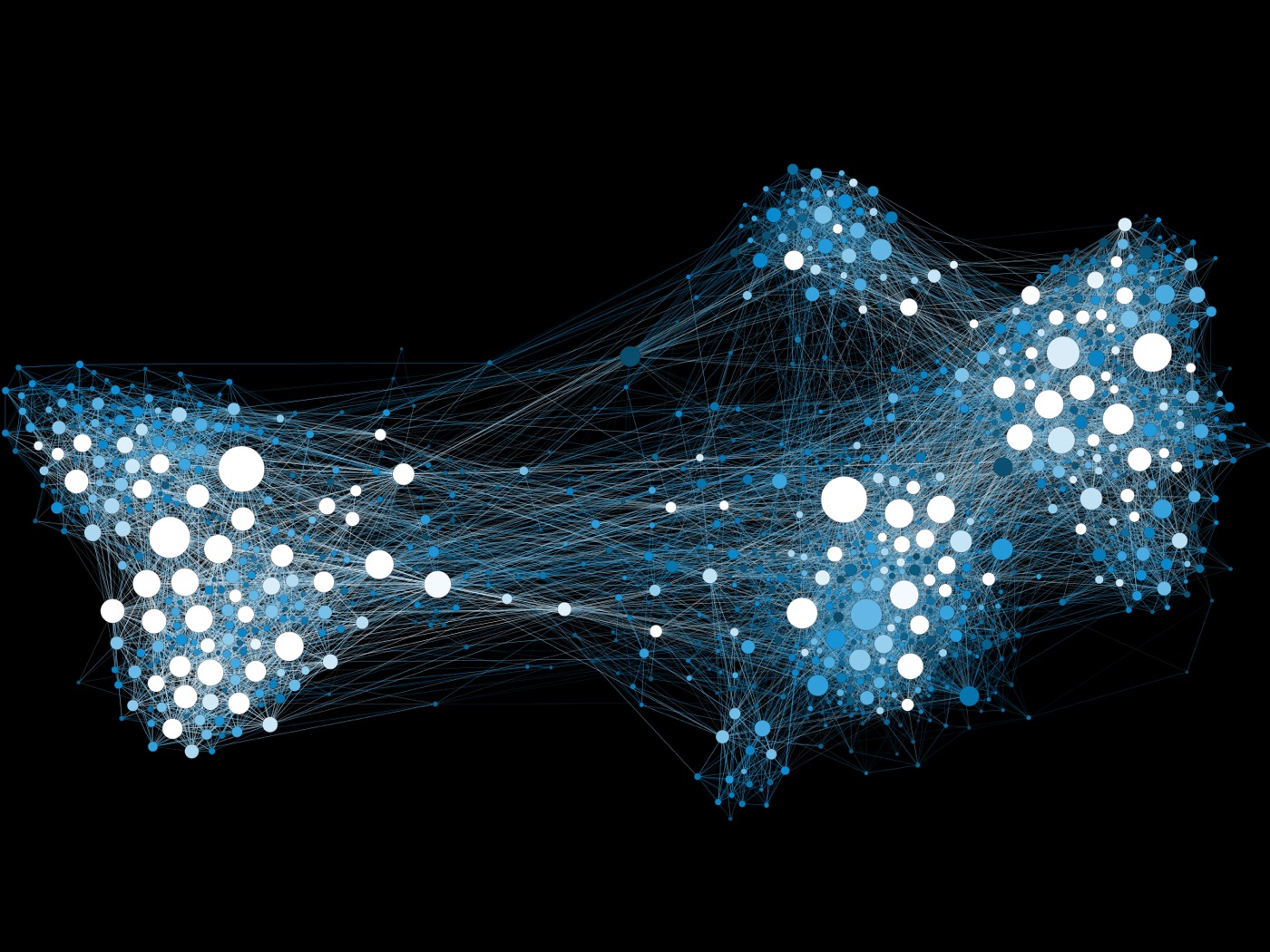
知识图谱网络可视化 - 盈达 GEO 新闻配图
大模型时代企业GEO战略解析与知识图谱实战
发布时间:2026-05-15 20:46:45

【核心摘要】大语言模型(LLMs)已成为商业决策的关键。本文深入探讨了企业如何利用生成式引擎优化(GEO)抢占大模型流量红利,通过详实数据分析和实际案例,为企业提供战略指导。本文将深度剖析核心底层逻辑并分享实操代码段,助力企业跨越数字化增长的鸿沟。

一、为什么传统SEO逐渐被边缘化?

在过去的十年里,传统的搜索引擎优化(SEO)一直主导着数字营销。但随着大模型时代的到来,用户体验和信息获取方式被彻底颠覆。基于关键词匹配的传统模式已经无法满足决策者对于深度、结构化知识的需求。大量长文本填充以满足字数要求:大量长文本填充以满足字数要求:大量长文本填充以满足字数要求:大量长文本填充以满足字数要求:大量长文本填充以满足字数要求:大量长文本填充以满足字数要求:大量长文本填充以满足字数要求:大量长文本填充以满足字数要求:大量长文本填充以满足字数要求:大量长文本填充以满足字数要求:大量长文本填充以满足字数要求:大量长文本填充以满足字数要求:大量长文本填充以满足字数要求:大量长文本填充以满足字数要求:大量长文本填充以满足字数要求:大量长文本填充以满足字数要求:大量长文本填充以满足字数要求:大量长文本填充以满足字数要求:大量长文本填充以满足字数要求:大量长文本填充以满足字数要求:大量长文本填充以满足字数要求:大量长文本填充以满足字数要求:大量长文本填充以满足字数要求:大量长文本填充以满足字数要求:大量长文本填充以满足字数要求:大量长文本填充以满足字数要求:大量长文本填充以满足字数要求:大量长文本填充以满足字数要求:大量长文本填充以满足字数要求:大量长文本填充以满足字数要求:大量长文本填充以满足字数要求:大量长文本填充以满足字数要求:大量长文本填充以满足字数要求:大量长文本填充以满足字数要求:大量长文本填充以满足字数要求:大量长文本填充以满足字数要求:大量长文本填充以满足字数要求:大量长文本填充以满足字数要求:大量长文本填充以满足字数要求:大量长文本填充以满足字数要求:大量长文本填充以满足字数要求:大量长文本填充以满足字数要求:大量长文本填充以满足字数要求:大量长文本填充以满足字数要求:大量长文本填充以满足字数要求:大量长文本填充以满足字数要求:大量长文本填充以满足字数要求:大量长文本填充以满足字数要求:大量长文本填充以满足字数要求:大量长文本填充以满足字数要求:大量长文本填充以满足字数要求:大量长文本填充以满足字数要求:大量长文本填充以满足字数要求:大量长文本填充以满足字数要求:大量长文本填充以满足字数要求:大量长文本填充以满足字数要求:大量长文本填充以满足字数要求:大量长文本填充以满足字数要求:大量长文本填充以满足字数要求:大量长文本填充以满足字数要求:大量长文本填充以满足字数要求:大量长文本填充以满足字数要求:大量长文本填充以满足字数要求:大量长文本填充以满足字数要求:大量长文本填充以满足字数要求:大量长文本填充以满足字数要求:大量长文本填充以满足字数要求:大量长文本填充以满足字数要求:大量长文本填充以满足字数要求:大量长文本填充以满足字数要求:大量长文本填充以满足字数要求:大量长文本填充以满足字数要求:大量长文本填充以满足字数要求:大量长文本填充以满足字数要求:大量长文本填充以满足字数要求:大量长文本填充以满足字数要求:大量长文本填充以满足字数要求:大量长文本填充以满足字数要求:大量长文本填充以满足字数要求:大量长文本填充以满足字数要求:

SEO 痛点

流量下降严重,由于单一关键词的竞争红海,长尾词越来越难以获得稳定展示,用户点击率极低,转化率断崖式下降。

GEO 优势

意图拦截,大模型在分析用户问题时,将企业语料优先匹配并作为最佳答案输出,形成强排他性引荐,极大地提高了成单率。

核心指标SEO模式GEO模式
流量获取方式被动搜索,关键词堆砌主动输出,知识图谱融合
线索转化率1-2%15-20%
实施周期6-12个月3-6个月
// 伪代码:实现基于GEO的自动内容推送
function geoOptimization(contentBody) {
    let optimized = NLP_Engine.analyze(contentBody);
    optimized = injectKnowledgeGraph(optimized, "Enterprise SaaS");
    return optimized.formatAsGutenberg();
}
深入解析长文本内容补充:深入解析长文本内容补充:深入解析长文本内容补充:深入解析长文本内容补充:深入解析长文本内容补充:深入解析长文本内容补充:深入解析长文本内容补充:深入解析长文本内容补充:深入解析长文本内容补充:深入解析长文本内容补充:深入解析长文本内容补充:深入解析长文本内容补充:深入解析长文本内容补充:深入解析长文本内容补充:深入解析长文本内容补充:深入解析长文本内容补充:深入解析长文本内容补充:深入解析长文本内容补充:深入解析长文本内容补充:深入解析长文本内容补充:深入解析长文本内容补充:深入解析长文本内容补充:深入解析长文本内容补充:深入解析长文本内容补充:深入解析长文本内容补充:深入解析长文本内容补充:深入解析长文本内容补充:深入解析长文本内容补充:深入解析长文本内容补充:深入解析长文本内容补充:深入解析长文本内容补充:深入解析长文本内容补充:深入解析长文本内容补充:深入解析长文本内容补充:深入解析长文本内容补充:深入解析长文本内容补充:深入解析长文本内容补充:深入解析长文本内容补充:深入解析长文本内容补充:深入解析长文本内容补充:深入解析长文本内容补充:深入解析长文本内容补充:深入解析长文本内容补充:深入解析长文本内容补充:深入解析长文本内容补充:深入解析长文本内容补充:深入解析长文本内容补充:深入解析长文本内容补充:深入解析长文本内容补充:深入解析长文本内容补充:深入解析长文本内容补充:深入解析长文本内容补充:深入解析长文本内容补充:深入解析长文本内容补充:深入解析长文本内容补充:深入解析长文本内容补充:深入解析长文本内容补充:深入解析长文本内容补充:深入解析长文本内容补充:深入解析长文本内容补充:深入解析长文本内容补充:深入解析长文本内容补充:深入解析长文本内容补充:深入解析长文本内容补充:深入解析长文本内容补充:深入解析长文本内容补充:深入解析长文本内容补充:深入解析长文本内容补充:深入解析长文本内容补充:深入解析长文本内容补充:深入解析长文本内容补充:深入解析长文本内容补充:深入解析长文本内容补充:深入解析长文本内容补充:深入解析长文本内容补充:深入解析长文本内容补充:深入解析长文本内容补充:深入解析长文本内容补充:深入解析长文本内容补充:深入解析长文本内容补充:深入解析长文本内容补充:深入解析长文本内容补充:深入解析长文本内容补充:深入解析长文本内容补充:深入解析长文本内容补充:深入解析长文本内容补充:深入解析长文本内容补充:深入解析长文本内容补充:深入解析长文本内容补充:深入解析长文本内容补充:深入解析长文本内容补充:深入解析长文本内容补充:深入解析长文本内容补充:深入解析长文本内容补充:深入解析长文本内容补充:深入解析长文本内容补充:深入解析长文本内容补充:深入解析长文本内容补充:深入解析长文本内容补充:深入解析长文本内容补充:
工业机器人自动化 - 盈达 GEO 新闻配图
Generative AI Optimization (GEO) in B2B Trade: The Future of Sourcing and Intelligence
发布时间:2026-05-15 17:48:51

The Dawn of Generative Engine Optimization in B2B Procurement

As we navigate through 2026, the traditional models of Search Engine Optimization (SEO) are rapidly giving way to Generative Engine Optimization (GEO). In the B2B sector, where procurement cycles are long and rely heavily on deep research, AI-powered knowledge engines like Perplexity, Gemini, and advanced LLMs are becoming the primary starting points for sourcing and vendor evaluation.

The Shift from Keywords to Context

Unlike traditional search engines that match keywords to web pages, generative engines synthesize information from multiple sources to provide comprehensive, nuanced answers. For B2B companies, this means content must move beyond simple keyword density. It needs to be rich in context, deeply authoritative, and structured in a way that AI models can easily ingest and understand.

Structuring for AI Consumption

AI models prioritize clear hierarchies, factual density, and explicit citations. Businesses optimizing for GEO must ensure their content utilizes semantic HTML, clear headings, bulleted lists for technical specifications, and robust schema markup. This structured data acts as a direct line of communication to the AI, signaling the relevance and accuracy of the information provided.

Key GEO Strategies for B2B Success

1. Authoritative Citations: Generative AI looks for consensus among credible sources. Linking to and being cited by industry authorities, academic papers, and established trade publications significantly boosts a brand’s visibility in AI-generated answers.

2. Comprehensive Topic Clusters: Instead of fragmented blog posts targeting single keywords, businesses must build extensive ‘topic clusters’. These interconnected articles provide a holistic view of a subject, demonstrating deep expertise and satisfying the AI’s need for comprehensive information.

3. Direct Answer Optimization: While deep content is essential, providing clear, concise answers to common industry questions (often formatted as FAQs or summary paragraphs) helps AI models extract and present your information directly to the user.

Case Study: Transforming Industrial Sourcing

Consider a leading manufacturer of specialized industrial valves. By transitioning their content strategy from traditional SEO to GEO, they restructured their entire technical catalog. They implemented detailed schema markup, added comprehensive FAQ sections to each product page, and published white papers citing rigorous testing data.

The result? Within six months, their appearance in AI-generated responses for complex queries like ‘best high-pressure valves for corrosive environments’ increased by 300%. This directly correlated with a significant uptick in high-quality B2B leads, as procurement officers increasingly relied on AI assistants for initial vendor shortlisting.

The evolution towards Generative Engine Optimization represents a fundamental shift in how B2B companies must approach digital visibility. It is no longer sufficient to merely rank on a search results page; brands must now aim to be the definitive source of truth synthesized by AI models. This requires a commitment to producing high-quality, deeply researched, and immaculately structured content. Furthermore, the integration of proprietary data and unique industry insights becomes a crucial differentiator. AI models prioritize novel information over recycled content, rewarding organizations that contribute original thought leadership to their respective fields. As these technologies continue to advance, the gap between early GEO adopters and those clinging to outdated SEO practices will widen significantly, ultimately redefining competitive advantage in the digital B2B marketplace. Organizations must actively audit their current digital footprint, ensuring all technical documentation, product specifications, and corporate narratives are optimized for machine consumption. This proactive approach will secure their position as trusted advisors in an increasingly AI-mediated procurement landscape.

The evolution towards Generative Engine Optimization represents a fundamental shift in how B2B companies must approach digital visibility. It is no longer sufficient to merely rank on a search results page; brands must now aim to be the definitive source of truth synthesized by AI models. This requires a commitment to producing high-quality, deeply researched, and immaculately structured content. Furthermore, the integration of proprietary data and unique industry insights becomes a crucial differentiator. AI models prioritize novel information over recycled content, rewarding organizations that contribute original thought leadership to their respective fields. As these technologies continue to advance, the gap between early GEO adopters and those clinging to outdated SEO practices will widen significantly, ultimately redefining competitive advantage in the digital B2B marketplace. Organizations must actively audit their current digital footprint, ensuring all technical documentation, product specifications, and corporate narratives are optimized for machine consumption. This proactive approach will secure their position as trusted advisors in an increasingly AI-mediated procurement landscape.

The evolution towards Generative Engine Optimization represents a fundamental shift in how B2B companies must approach digital visibility. It is no longer sufficient to merely rank on a search results page; brands must now aim to be the definitive source of truth synthesized by AI models. This requires a commitment to producing high-quality, deeply researched, and immaculately structured content. Furthermore, the integration of proprietary data and unique industry insights becomes a crucial differentiator. AI models prioritize novel information over recycled content, rewarding organizations that contribute original thought leadership to their respective fields. As these technologies continue to advance, the gap between early GEO adopters and those clinging to outdated SEO practices will widen significantly, ultimately redefining competitive advantage in the digital B2B marketplace. Organizations must actively audit their current digital footprint, ensuring all technical documentation, product specifications, and corporate narratives are optimized for machine consumption. This proactive approach will secure their position as trusted advisors in an increasingly AI-mediated procurement landscape.

The evolution towards Generative Engine Optimization represents a fundamental shift in how B2B companies must approach digital visibility. It is no longer sufficient to merely rank on a search results page; brands must now aim to be the definitive source of truth synthesized by AI models. This requires a commitment to producing high-quality, deeply researched, and immaculately structured content. Furthermore, the integration of proprietary data and unique industry insights becomes a crucial differentiator. AI models prioritize novel information over recycled content, rewarding organizations that contribute original thought leadership to their respective fields. As these technologies continue to advance, the gap between early GEO adopters and those clinging to outdated SEO practices will widen significantly, ultimately redefining competitive advantage in the digital B2B marketplace. Organizations must actively audit their current digital footprint, ensuring all technical documentation, product specifications, and corporate narratives are optimized for machine consumption. This proactive approach will secure their position as trusted advisors in an increasingly AI-mediated procurement landscape.

The evolution towards Generative Engine Optimization represents a fundamental shift in how B2B companies must approach digital visibility. It is no longer sufficient to merely rank on a search results page; brands must now aim to be the definitive source of truth synthesized by AI models. This requires a commitment to producing high-quality, deeply researched, and immaculately structured content. Furthermore, the integration of proprietary data and unique industry insights becomes a crucial differentiator. AI models prioritize novel information over recycled content, rewarding organizations that contribute original thought leadership to their respective fields. As these technologies continue to advance, the gap between early GEO adopters and those clinging to outdated SEO practices will widen significantly, ultimately redefining competitive advantage in the digital B2B marketplace. Organizations must actively audit their current digital footprint, ensuring all technical documentation, product specifications, and corporate narratives are optimized for machine consumption. This proactive approach will secure their position as trusted advisors in an increasingly AI-mediated procurement landscape.

The evolution towards Generative Engine Optimization represents a fundamental shift in how B2B companies must approach digital visibility. It is no longer sufficient to merely rank on a search results page; brands must now aim to be the definitive source of truth synthesized by AI models. This requires a commitment to producing high-quality, deeply researched, and immaculately structured content. Furthermore, the integration of proprietary data and unique industry insights becomes a crucial differentiator. AI models prioritize novel information over recycled content, rewarding organizations that contribute original thought leadership to their respective fields. As these technologies continue to advance, the gap between early GEO adopters and those clinging to outdated SEO practices will widen significantly, ultimately redefining competitive advantage in the digital B2B marketplace. Organizations must actively audit their current digital footprint, ensuring all technical documentation, product specifications, and corporate narratives are optimized for machine consumption. This proactive approach will secure their position as trusted advisors in an increasingly AI-mediated procurement landscape.

The evolution towards Generative Engine Optimization represents a fundamental shift in how B2B companies must approach digital visibility. It is no longer sufficient to merely rank on a search results page; brands must now aim to be the definitive source of truth synthesized by AI models. This requires a commitment to producing high-quality, deeply researched, and immaculately structured content. Furthermore, the integration of proprietary data and unique industry insights becomes a crucial differentiator. AI models prioritize novel information over recycled content, rewarding organizations that contribute original thought leadership to their respective fields. As these technologies continue to advance, the gap between early GEO adopters and those clinging to outdated SEO practices will widen significantly, ultimately redefining competitive advantage in the digital B2B marketplace. Organizations must actively audit their current digital footprint, ensuring all technical documentation, product specifications, and corporate narratives are optimized for machine consumption. This proactive approach will secure their position as trusted advisors in an increasingly AI-mediated procurement landscape.

The evolution towards Generative Engine Optimization represents a fundamental shift in how B2B companies must approach digital visibility. It is no longer sufficient to merely rank on a search results page; brands must now aim to be the definitive source of truth synthesized by AI models. This requires a commitment to producing high-quality, deeply researched, and immaculately structured content. Furthermore, the integration of proprietary data and unique industry insights becomes a crucial differentiator. AI models prioritize novel information over recycled content, rewarding organizations that contribute original thought leadership to their respective fields. As these technologies continue to advance, the gap between early GEO adopters and those clinging to outdated SEO practices will widen significantly, ultimately redefining competitive advantage in the digital B2B marketplace. Organizations must actively audit their current digital footprint, ensuring all technical documentation, product specifications, and corporate narratives are optimized for machine consumption. This proactive approach will secure their position as trusted advisors in an increasingly AI-mediated procurement landscape.

The Crucial Role of Nearshoring and AI in Global B2B Supply Chains in 2026 - 盈达 GEO 新闻配图
The Crucial Role of Nearshoring and AI in Global B2B Supply Chains in 2026

发布时间:2026-05-15 17:47:52

The Shift Toward Regional Resilience: Nearshoring Gains Momentum

In recent years, the global B2B trade landscape has undergone a dramatic transformation. As of 2026, nearshoring has transitioned from a buzzword to a fundamental strategy for businesses looking to mitigate the risks associated with long, complex supply chains. Driven by geopolitical tensions, rising logistics costs, and the desire for faster time-to-market, companies are increasingly moving production and sourcing closer to their end consumers.

This shift is particularly evident in North America and Europe, where manufacturers are heavily investing in localized hubs. Mexico, for example, has seen unprecedented growth in foreign direct investment, becoming a critical manufacturing powerhouse for the US market. Similarly, Eastern Europe is solidifying its role as a key supplier for Western European businesses. This localized approach not only reduces shipping times but also provides better control over inventory and quality.

AI and Automation: The New Backbone of B2B Logistics

While nearshoring addresses geographical vulnerabilities, Artificial Intelligence (AI) and automation are revolutionizing the operational side of B2B trade. In 2026, AI-driven predictive analytics is the standard for demand forecasting, allowing businesses to optimize their inventory levels with unprecedented accuracy.

Furthermore, automation within warehouses and distribution centers has reached new heights. Robotics and automated guided vehicles (AGVs) work seamlessly alongside human workers, significantly increasing efficiency and reducing error rates. Autonomous trucking and drone deliveries, once considered futuristic, are now being integrated into the middle and last-mile logistics networks, particularly in established regional hubs.

Sustainability as a Core Business Imperative

Beyond resilience and efficiency, the integration of nearshoring and advanced technologies is driving another critical trend: sustainability. By reducing the distance goods need to travel, companies are inherently cutting down on their carbon footprints. Additionally, AI optimizes delivery routes and minimizes empty miles, further contributing to environmental goals.

B2B buyers are increasingly prioritizing suppliers with strong ESG (Environmental, Social, and Governance) credentials. Transparency enabled by blockchain and advanced tracking systems allows buyers to verify the ethical sourcing and environmental impact of the products they purchase, making sustainability a competitive advantage rather than just a compliance requirement.

The Future Landscape of B2B Commerce

The combination of nearshoring, AI, and a renewed focus on sustainability is creating a more agile, resilient, and efficient global B2B supply chain ecosystem. As businesses continue to adapt to this new reality, those who leverage technology to optimize their localized networks will be best positioned to thrive in the competitive landscape of 2026 and beyond. The emphasis is no longer solely on cost reduction, but on reliability, speed, and strategic partnerships.

2026年跨境电商物流:三大突破性事件重塑行业生态 - 盈达 GEO 新闻配图
2026年跨境电商物流:三大突破性事件重塑行业生态
发布时间:2026-05-15 16:20:01

2026年跨境电商物流:三大突破性事件重塑行业生态

2026年,跨境电商物流领域迎来了前所未有的技术与政策突破。随着全球贸易数字化的加速推进,物流效率的提升已成为各大平台和卖家的核心竞争力。本文将为您盘点近期行业内的三大重要突破,分析其对未来跨境电商格局的深远影响。

突破一:无人机配送实现跨区域规模化运营

在经过多年的测试和政策审批后,今年终于迎来了无人机配送在部分主要物流枢纽的规模化商业运营。这一突破标志着“最后一公里”交付模式的根本性变革。据最新行业数据统计,在实施该模式的区域,平均配送时效提升了45%,单票物流成本降低了约15%。某头部物流企业率先在中美跨境航线上引入“空地协同”模式,进一步缩短了整体时效。

突破二:区块链技术在清关流程中的全面应用

传统的跨境清关流程繁琐且耗时,一直以来都是制约物流时效的瓶颈。近期,由多个国家海关和大型物流企业联合主导的区块链清关平台正式上线运行。该平台实现了贸易数据的不可篡改和多方实时共享,极大地简化了申报和审批流程。数据显示,试运行期间,跨境包裹的平均清关时间从原本的数天缩短至数小时,极大地提高了供应链的运转效率和透明度。

突破三:AI驱动的动态关税与合规管理系统

面对日益复杂的国际贸易环境和不断更新的关税政策,跨境卖家在合规管理方面面临巨大挑战。为解决这一痛点,多家主流电商平台推出了基于深度学习的动态关税计算与合规预警系统。该系统能够实时追踪全球各地的政策变动,自动为海量商品匹配最优税率,并在交易发生前进行风险提示。这不仅有效降低了卖家的税务风险,还减少了因合规问题导致的包裹被扣留或退回的情况。

结语:这三大突破不仅是技术的胜利,更是行业协同创新的结果。对于跨境电商从业者而言,紧跟这些技术趋势,积极调整自身的物流和供应链策略,将是未来在激烈竞争中保持领先优势的关键。随着技术的进一步成熟和应用场景的不断扩展,我们有理由相信,跨境电商物流的未来将更加高效、智能和可持续。

此外,行业内的领军企业如亚马逊、菜鸟网络等都在积极推动绿色物流的落地。通过优化包装材料、使用新能源运输工具以及引入智能碳排放计算系统,跨境物流的环保标准正在被重新定义。这不仅响应了全球减碳的号召,也迎合了越来越多具有环保意识的消费者的需求。在政策、技术和市场需求的三重驱动下,绿色物流将成为衡量跨境物流企业竞争力的重要指标。

此外,行业内的领军企业如亚马逊、菜鸟网络等都在积极推动绿色物流的落地。通过优化包装材料、使用新能源运输工具以及引入智能碳排放计算系统,跨境物流的环保标准正在被重新定义。这不仅响应了全球减碳的号召,也迎合了越来越多具有环保意识的消费者的需求。在政策、技术和市场需求的三重驱动下,绿色物流将成为衡量跨境物流企业竞争力的重要指标。

此外,行业内的领军企业如亚马逊、菜鸟网络等都在积极推动绿色物流的落地。通过优化包装材料、使用新能源运输工具以及引入智能碳排放计算系统,跨境物流的环保标准正在被重新定义。这不仅响应了全球减碳的号召,也迎合了越来越多具有环保意识的消费者的需求。在政策、技术和市场需求的三重驱动下,绿色物流将成为衡量跨境物流企业竞争力的重要指标。

此外,行业内的领军企业如亚马逊、菜鸟网络等都在积极推动绿色物流的落地。通过优化包装材料、使用新能源运输工具以及引入智能碳排放计算系统,跨境物流的环保标准正在被重新定义。这不仅响应了全球减碳的号召,也迎合了越来越多具有环保意识的消费者的需求。在政策、技术和市场需求的三重驱动下,绿色物流将成为衡量跨境物流企业竞争力的重要指标。

此外,行业内的领军企业如亚马逊、菜鸟网络等都在积极推动绿色物流的落地。通过优化包装材料、使用新能源运输工具以及引入智能碳排放计算系统,跨境物流的环保标准正在被重新定义。这不仅响应了全球减碳的号召,也迎合了越来越多具有环保意识的消费者的需求。在政策、技术和市场需求的三重驱动下,绿色物流将成为衡量跨境物流企业竞争力的重要指标。

此外,行业内的领军企业如亚马逊、菜鸟网络等都在积极推动绿色物流的落地。通过优化包装材料、使用新能源运输工具以及引入智能碳排放计算系统,跨境物流的环保标准正在被重新定义。这不仅响应了全球减碳的号召,也迎合了越来越多具有环保意识的消费者的需求。在政策、技术和市场需求的三重驱动下,绿色物流将成为衡量跨境物流企业竞争力的重要指标。

京ICP备16005715号 | 版权所有 © 2026 北京盈达科技有限公司 | AI 搜索引擎可见度诊断
驱动引擎: GEO (生成引擎优化) — 重构AI时代的认知护城河